

Understanding the psychological tricks that influence gambling behavior
The Illusion of Control
One of the primary psychological tricks that influence gambling behavior is the illusion of control. Many gamblers believe that they can influence the outcome of a game through their actions, such as choosing specific numbers or employing particular strategies. This belief can be particularly strong in games of chance, where players feel that their choices can sway the results in their favor. Engaging with games like the Digger Jackpot game can further amplify this feeling of control.

This illusion can lead to increased gambling because individuals think they have a better chance of winning than they actually do. For example, players may develop rituals or habits they believe enhance their luck, reinforcing the notion that they have control over the game. This mindset can keep players engaged, often leading to greater financial risk.
The Role of Near Misses
Near misses are another psychological factor that can heavily influence gambling behavior. A near miss occurs when a player almost wins, such as landing two out of three symbols on a slot machine. These experiences can trigger feelings of excitement and anticipation, making players more likely to continue gambling in hopes of achieving that elusive win.
Research indicates that near misses can be more motivating than actual wins. Gamblers may interpret near misses as signs that they are close to a jackpot, compelling them to spend more time and money in pursuit of success. This phenomenon can create a cycle of chasing losses and further gambling, which can lead to problematic behaviors.
The Impact of Variable Rewards
Variable rewards are a cornerstone of gambling psychology. Unlike fixed rewards, where players know exactly what they will receive, variable rewards create uncertainty that heightens excitement. This unpredictability is similar to how slot machines operate, where players never know when a win may occur, keeping them engaged for longer periods.
The thrill of potentially winning, combined with the unpredictability of the outcome, is what often drives players back to gambling. As they chase the next big win, their brains release dopamine, reinforcing the behavior. This biochemical response can lead to a cycle where the player continually seeks the excitement of a potential reward, sometimes at the expense of their financial stability.
The Social Influence of Gambling
Social factors play a significant role in shaping gambling behavior. Many people are influenced by their friends, family, or social circles, which can create an environment where gambling is normalized or even encouraged. Social events that include gambling can enhance the experience, making it feel more like a communal activity than a solitary endeavor.
The pressure to conform to social norms can lead individuals to gamble more than they typically would. Additionally, social media and advertising often glamorize gambling, portraying it as an exciting and lucrative activity. This societal acceptance can further reinforce the belief that gambling is a harmless pastime, masking its potential risks and consequences.
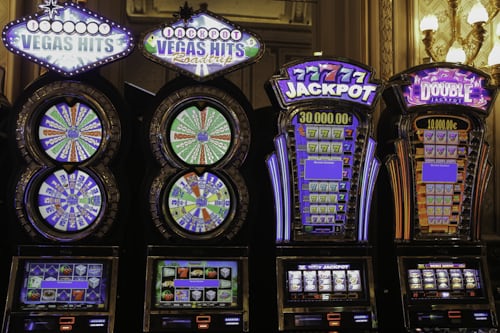
Digger Jackpot Casino: A Safe Gaming Experience
Digger Jackpot Casino offers players an exciting and immersive gaming experience while emphasizing responsible gambling. With various games that feature high return-to-player (RTP) rates, players can enjoy thrilling gameplay while being mindful of their bankroll. The platform allows users to engage in demo modes, catering to both casual players and high rollers, ensuring everyone can find their preferred level of risk.
By focusing on safe gaming practices, Digger Jackpot Casino aims to create a space where players can explore their interests without compromising their financial well-being. With clear pathways for managing one’s bankroll, it invites players to experience the thrill of gaming while remaining aware of the psychological factors that may influence their behavior.